 por
por Introduction
In recent years, Augmented Reality (AR) and Virtual Reality (VR) have emerged as transformative technologies with the potential to revolutionize various industries. While both offer immersive experiences, they differ in their approaches and applications. This article explores the current trends and future possibilities of AR and VR, examining their respective strengths, challenges, and potential impact.
Augmented Reality: Enhancing Reality
Augmented Reality overlays digital content onto the real world, enhancing the user’s perception and interaction with their environment. AR technology is commonly deployed through smartphone apps, wearable devices, and heads-up displays, enabling users to access contextual information, visualize data, and interact with virtual objects in real-time. Current trends in AR include:
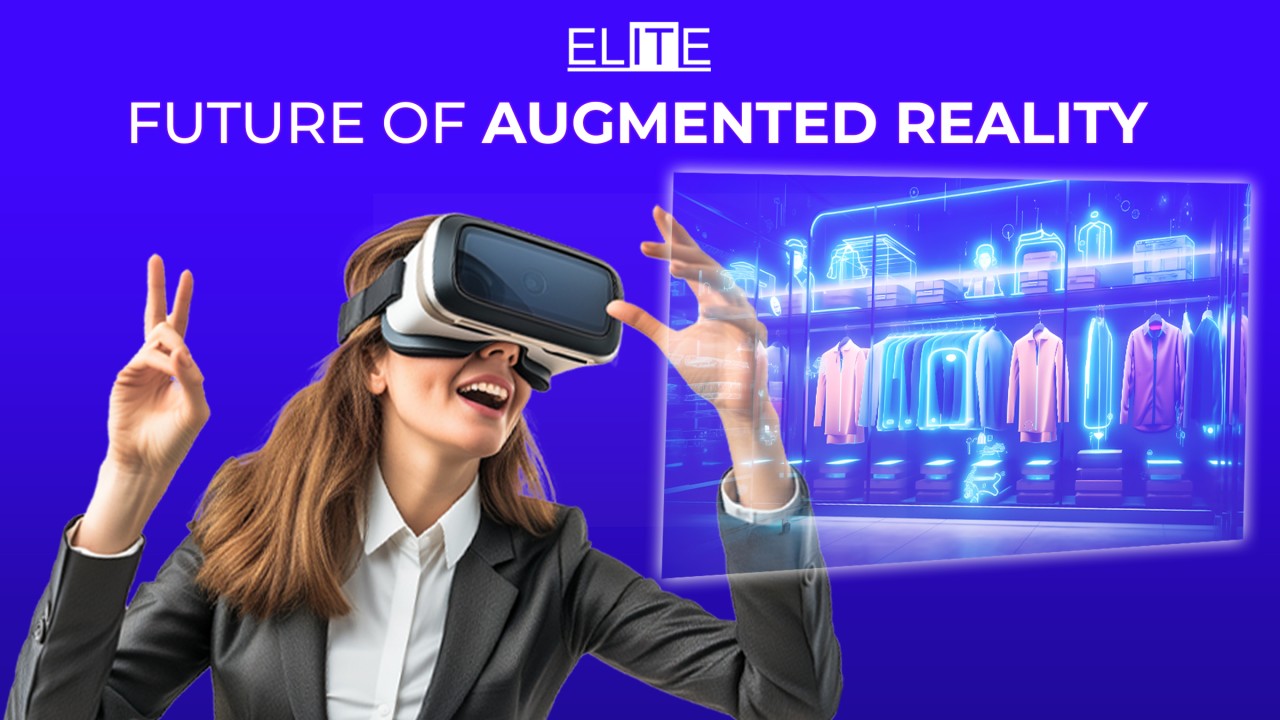
- AR in Retail: AR is increasingly being used in retail environments to offer immersive shopping experiences, allowing customers to visualize products in their own space before making a purchase.
- AR in Education: AR has significant potential in education, enabling interactive and engaging learning experiences by overlaying educational content onto physical objects or environments.
- AR in Healthcare: In healthcare, AR is used for medical training, surgical planning, and patient education, providing healthcare professionals with real-time information and visualization tools to improve patient care.
Virtual Reality: Immersing in Virtual Worlds
Virtual Reality creates fully immersive digital environments that users can explore and interact with, often through specialized VR headsets or goggles. VR technology transports users to virtual worlds, enabling them to experience simulations, games, and training scenarios with a heightened sense of presence. Current trends in VR include:
- VR Gaming: Gaming remains one of the primary applications of VR, offering players immersive and interactive experiences that transcend traditional gaming interfaces.
- VR in Training and Simulation: VR is widely used for training simulations in industries such as aviation, military, and healthcare, providing realistic and risk-free environments for trainees to practice skills and procedures.
- VR in Architecture and Design: Architects and designers use VR to create virtual walkthroughs of buildings and spaces, enabling clients to visualize and experience architectural designs before construction begins.
Future Possibilities and Convergence
Looking ahead, both AR and VR hold immense potential for innovation and convergence. Future possibilities include:
- Mixed Reality (MR): MR combines elements of both AR and VR, seamlessly blending digital and physical worlds to create immersive and interactive experiences. MR technologies, such as Microsoft’s HoloLens, enable users to interact with virtual objects in their real environment, opening up new possibilities for gaming, education, and enterprise applications.
- Spatial Computing: Spatial computing, which encompasses AR, VR, and MR, focuses on the interaction between digital devices and physical spaces. As spatial computing technologies advance, we can expect to see more intuitive and immersive interfaces that enable natural interaction with digital content in real-world environments.
- Enterprise Applications: AR and VR are increasingly being adopted for enterprise applications, including remote collaboration, virtual meetings, and immersive training experiences. As these technologies mature, they have the potential to transform how businesses operate and collaborate in a globalized world.
Conclusion
In conclusion, Augmented Reality and Virtual Reality represent two distinct yet complementary approaches to immersive technology. While AR enhances the real world with digital content and information, VR transports users to fully immersive virtual environments. Both technologies are experiencing rapid growth and innovation, with applications spanning gaming, education, healthcare, and beyond. Looking ahead, the convergence of AR, VR, and MR technologies holds the promise of even more immersive, interactive, and transformative experiences that will reshape how we interact with digital content and the world around us.